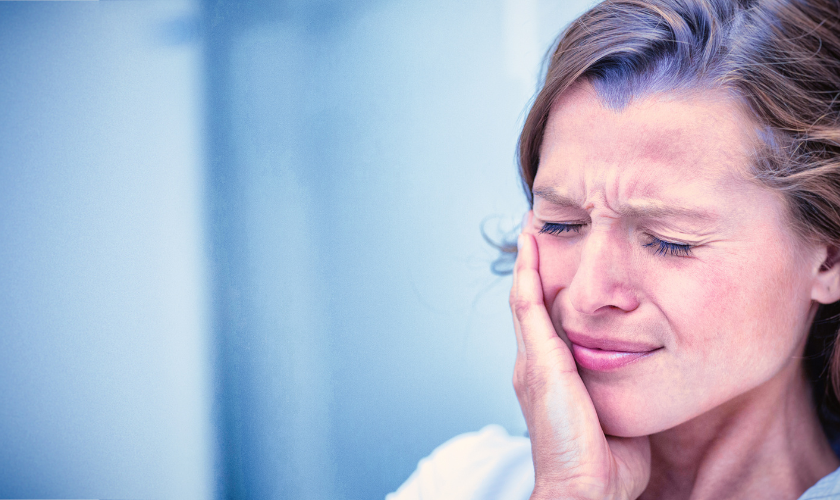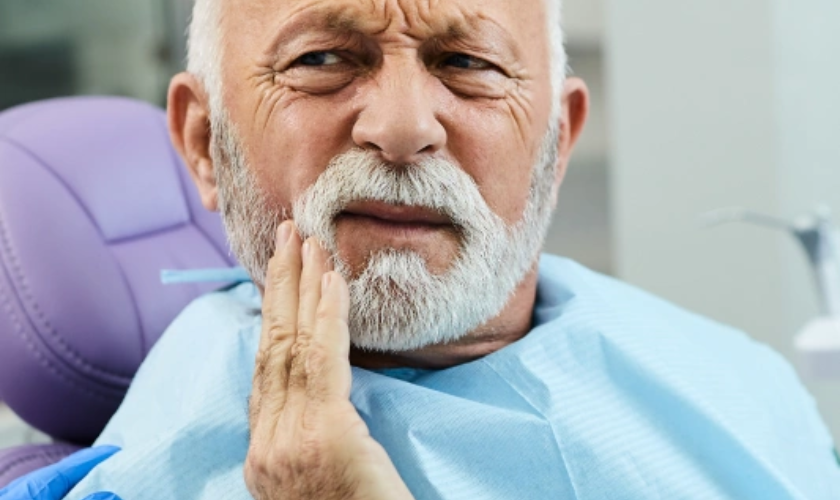
Tooth pain has a way of showing up at the worst possible time—often late at night when everything is closed, and relief feels out of reach.
If you’ve ever found yourself lying awake in your apartment in SoHo, Tribeca, or Greenwich Village with throbbing tooth pain, you’re not alone. Many patients in New York City notice that dental pain seems to intensify after dark.
But why does this happen?
At Soho Smile, Dr. Ari Koutsoubis and Dr. John Koutsoyiannis regularly treat patients dealing with sudden, severe discomfort. Understanding why tooth pain gets worse overnight can help you take the right steps—and avoid a full-blown dental emergency.
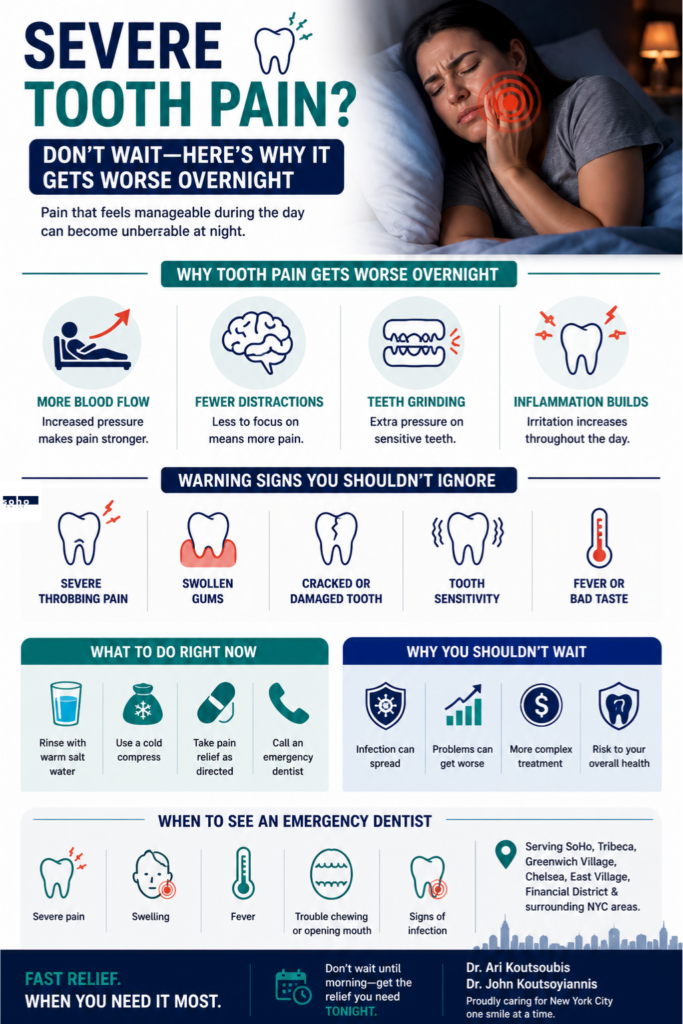
Why Tooth Pain Feels Worse at Night
There’s a real reason your toothache seems to spike when you’re trying to sleep.
Increased Blood Flow When Lying Down
When you lie down, blood flow to your head increases. This added pressure can:
- Intensify inflammation
- Increase sensitivity in the affected area
- Make throbbing pain feel stronger
👉 What felt manageable during the day can become unbearable at night.
Fewer Distractions
During the day, your mind is occupied—work, commuting, social interactions. At night, those distractions disappear.
👉 Your brain focuses more on the pain, making it feel worse than it actually is.
Teeth Grinding (Bruxism)
Many NYC patients unknowingly grind their teeth at night, especially in high-stress environments like Manhattan.
This can:
- Worsen existing dental issues
- Increase pressure on sensitive teeth
- Trigger sharp or persistent pain
Inflammation Builds Over Time
If there’s an infection or decay, inflammation tends to build throughout the day.
👉 By nighttime, the condition has progressed, leading to more intense discomfort.
What Severe Tooth Pain Could Mean
Tooth pain isn’t just inconvenient—it’s often a warning sign that something more serious is happening.
Deep Tooth Decay
Cavities that reach the inner layers of the tooth can cause:
- Sharp pain
- Sensitivity to hot or cold
- Discomfort while chewing
Infection or Abscess
An untreated infection can lead to:
- Swelling
- Fever
- A persistent bad taste in the mouth
👉 This is a true dental emergency that requires immediate care.
Cracked or Damaged Tooth
A crack may not always be visible but can expose nerves, causing:
- Sudden sharp pain
- Pain when biting down
Gum Disease
Advanced gum disease can cause:
- Gum tenderness
- Tooth mobility
- Ongoing discomfort
Local Insight: Why NYC Patients Delay Care
In fast-paced areas like SoHo, Lower Manhattan, and the Financial District, many patients delay dental visits due to busy schedules.
Late dinners, work deadlines, and social commitments can push oral health to the back burner—until the pain becomes impossible to ignore.
By the time many patients from neighbourhoods like Chelsea, East Village, and Brooklyn Heights seek care, the issue has already progressed.
Why You Shouldn’t Wait
Ignoring severe tooth pain can lead to:
- Spread of infection
- Increased treatment complexity
- Higher costs
- Risk to overall health
👉 Acting early often means simpler, faster, and less invasive treatment.
When to See an Emergency Dentist
You should seek immediate care if you experience:
- Severe, persistent pain
- Swelling in the face or jaw
- Fever
- Difficulty chewing or opening your mouth
- Signs of infection
If you’re searching for an emergency dentist NYC, it’s important to choose a provider who can offer prompt, effective care.
What to Expect During an Emergency Visit
At Soho Smile, your comfort and relief are the top priorities.
Step 1: Evaluation
Your dentist will examine the affected area and may take digital X-rays.
Step 2: Diagnosis
Dr. Ari Koutsoubis or Dr. John Koutsoyiannis will identify the root cause of the pain.
Step 3: Immediate Treatment
Depending on the issue, treatment may include:
- Filling
- Root canal therapy
- Extraction
- Infection management
Step 4: Pain Relief & Aftercare
You’ll receive guidance to manage discomfort and promote healing.
What You Can Do for Temporary Relief
While waiting for your appointment, a few steps may help reduce discomfort:
- Rinse with warm salt water
- Use a cold compress on the outside of your cheek
- Avoid very hot, cold, or sugary foods
- Take over-the-counter pain relief (as directed)
👉 These are temporary solutions—not substitutes for professional care.
Why Patients Choose Soho Smile
Patients across SoHo, Tribeca, Greenwich Village, and surrounding NYC neighbourhoods trust Soho Smile for emergency dental care because of:
- Prompt appointments
- Advanced technology
- Gentle, patient-focused approach
- Clear communication
Dr. Ari Koutsoubis and Dr. John Koutsoyiannis understand the urgency of dental pain and focus on delivering fast, effective relief.
Preventing Future Dental Emergencies
While not all emergencies can be avoided, you can reduce your risk by:
- Scheduling regular dental checkups
- Addressing minor issues early
- Wearing a nightguard if you grind your teeth
- Maintaining good oral hygiene
👉 Prevention is always easier than emergency treatment.
Final Thoughts
Severe tooth pain is your body’s way of telling you something isn’t right—and waiting rarely makes it better.
If your toothache worsens at night, it’s not just in your head. Increased pressure, inflammation, and lack of distraction all play a role.
The most important step is simple:
👉 Don’t wait.
Getting prompt care can relieve pain quickly and prevent more serious complications.
If you’re in NYC—whether in SoHo, Tribeca, or nearby neighbourhoods—seeking professional care early can make all the difference. Visit us as early as possible.
FAQs
1. Why does tooth pain get worse at night?
Increased blood flow, inflammation, and fewer distractions can make pain feel more intense when lying down.
2. Is severe tooth pain always an emergency?
Not always, but persistent or intense pain should be evaluated as soon as possible to prevent complications.
3. What should I do if I have tooth pain at night?
Use temporary relief methods like saltwater rinses or cold compresses, and schedule an emergency dental visit as soon as possible.
4. Can a tooth infection go away on its own?
No—dental infections require professional treatment and can worsen if left untreated.
5. How quickly should I see a dentist for severe pain?
As soon as possible, especially if the pain is persistent or accompanied by swelling or fever.