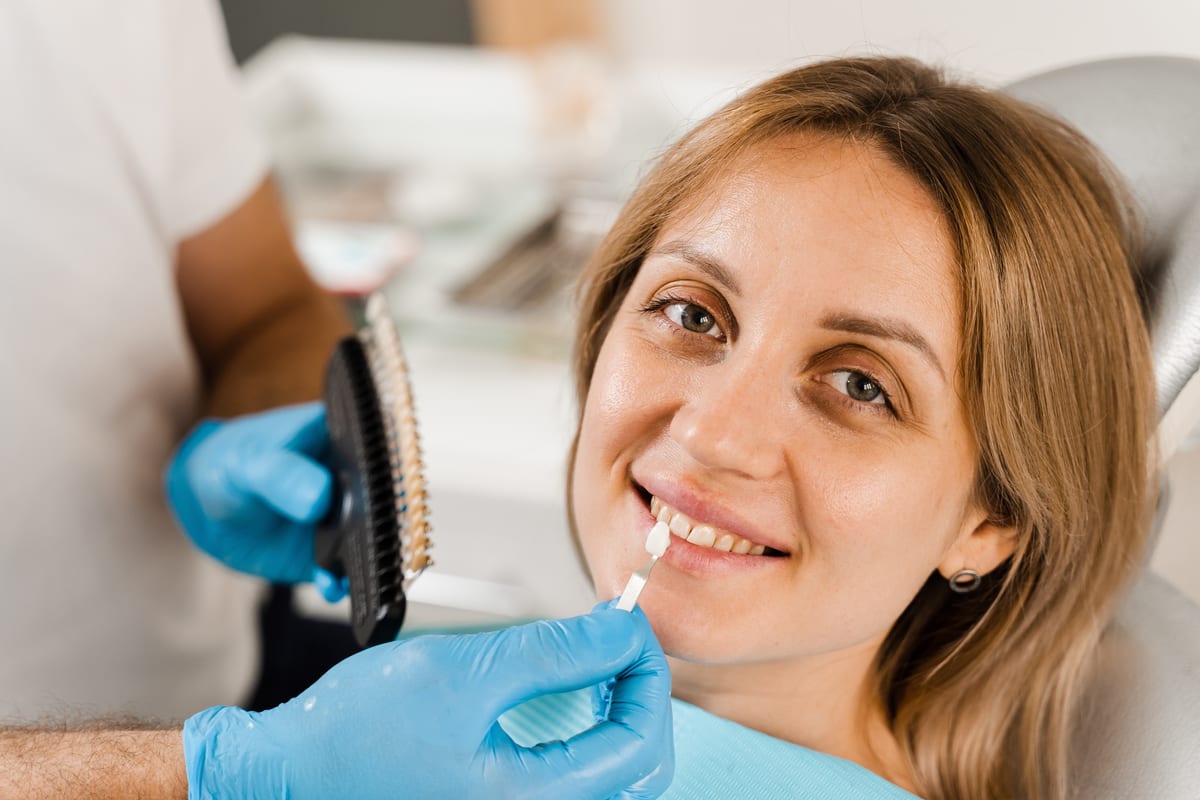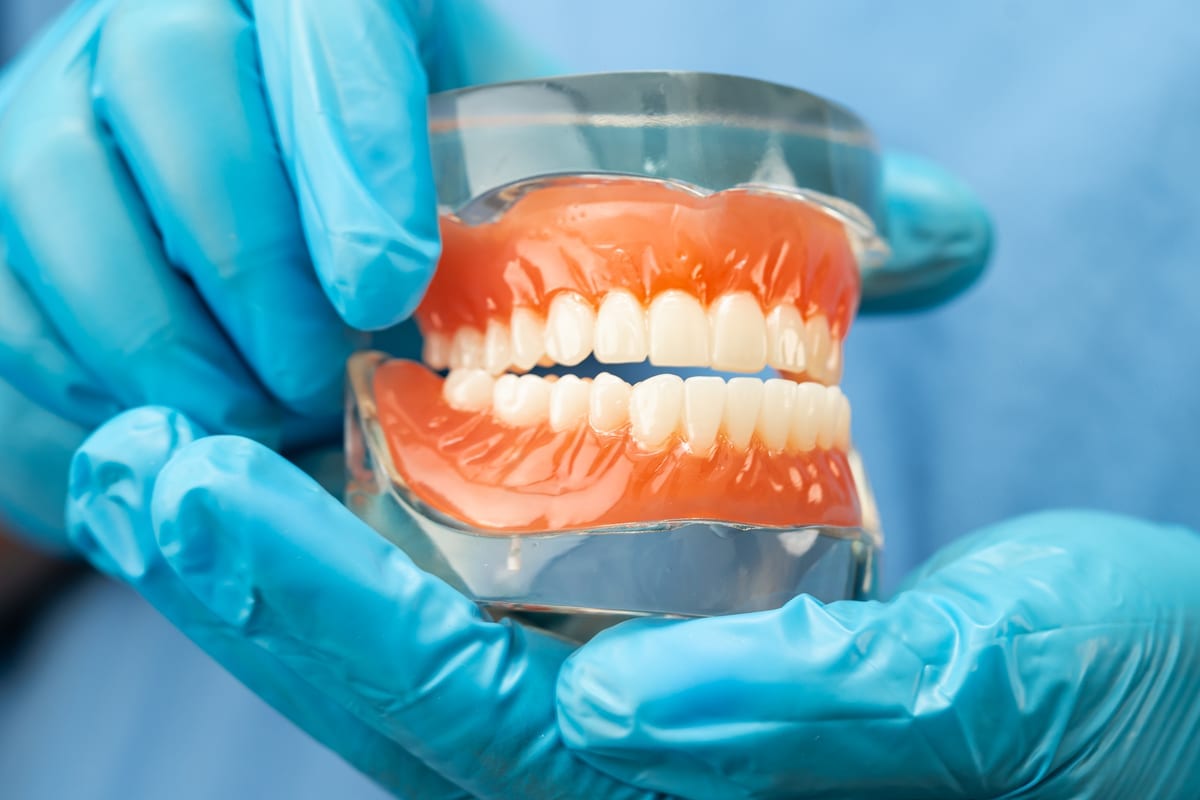

If you’re missing one or more teeth, a dental bridge can restore your smile and your confidence. Many patients feel nervous before starting treatment. Understanding what happens during your dental bridge procedure — and how our team keeps you comfortable every step of the way — makes a real difference. At Soho Smile in New York, NY, Dr. Ari Koutsoubis walks every patient through the process before anything begins.
This comfort-first walkthrough covers each stage of the procedure in plain, honest language. You’ll know what to expect, what you’ll feel, and how our team supports you throughout. Let’s go through it together.
Step One: Your Initial Consultation and Treatment Planning in New York
Every dental bridge procedure starts with a thorough consultation. Dr. Koutsoubis examines your teeth, gums, and bite carefully. He takes digital X-rays to assess bone health and the condition of surrounding teeth. This step helps him design a bridge that fits naturally and functions properly.
During this visit, you’ll discuss your goals and ask any questions you have. Dr. Koutsoubis explains every detail before you commit to treatment. He also reviews alternatives, including Dental Implants New York patients have found effective for single-tooth replacement. You leave this appointment fully informed and confident in your path forward.
Comfort begins here. Our team takes time with each patient. No one rushes you or pressures you into a decision. You’ll also receive a clear timeline so you know exactly what’s coming next.
Step Two: Preparing the Abutment Teeth — What You’ll Feel
The abutment teeth are the natural teeth on either side of the gap. These teeth anchor your bridge securely in place. Dr. Koutsoubis reshapes them slightly so the bridge crowns fit perfectly over them. This reshaping removes a small, precise amount of enamel.
Before any preparation begins, you receive local anesthesia. The injection itself takes just seconds. Most patients feel only mild pressure during the reshaping — not pain. If you feel anxious, our team offers additional comfort measures to help you relax.
- Local anesthesia numbs the area completely before work begins
- Patients typically feel pressure, not sharp pain, during preparation
- The procedure moves at a pace you control — you can signal a pause anytime
- Nitrous oxide or other comfort options are available upon request
Once the teeth are shaped, Dr. Koutsoubis takes precise impressions of your mouth. These impressions go to a dental lab where skilled technicians craft your custom bridge. This process takes one to two weeks on average.
Step Three: Wearing a Temporary Bridge While You Wait
You won’t leave the office with an exposed gap. Dr. Koutsoubis places a temporary bridge to protect your prepared teeth. This temporary restoration also lets you eat and speak normally while your permanent bridge is being made. It’s a small but important part of keeping you comfortable throughout the process.
The temporary bridge looks and functions reasonably well. It’s not as durable as your permanent one, so our team advises avoiding sticky or hard foods during this period. You may notice some mild sensitivity around the prepared teeth. This is normal and typically fades quickly.
- Avoid sticky foods like caramel or chewing gum
- Skip hard foods that could dislodge the temporary bridge
- Brush gently around the temporary restoration
- Contact us right away if the temporary bridge feels loose or uncomfortable
If sensitivity lingers or feels significant, call our office. Dr. Koutsoubis and his team are always available to address concerns between appointments.
Step Four: Fitting and Cementing Your Permanent Bridge
When your permanent bridge arrives from the lab, you return for your final fitting appointment. Dr. Koutsoubis removes the temporary bridge and cleans the abutment teeth thoroughly. He then places the permanent bridge carefully over the prepared teeth. Before cementing anything, he checks the fit, bite, and appearance with you.
You’ll look in a mirror and give your feedback. Does it feel comfortable when you bite down? Does it look natural alongside your other teeth? Dr. Koutsoubis adjusts until everything feels exactly right. Your input matters at every stage of this visit.
Once you’re both satisfied with the fit, he cements the bridge permanently in place. The cement bonds quickly and securely. You leave with a fully restored smile that looks, feels, and functions like natural teeth.
How Soho Smile Keeps You Comfortable Throughout Your Bridge Procedure
Comfort is not an afterthought at Soho Smile — it’s built into every step of care. Dr. Koutsoubis takes a calm, methodical approach that puts patients at ease. He explains what he’s doing before he does it. That transparency reduces anxiety significantly for most patients.
Our New York office is designed with your experience in mind. From a welcoming front desk to a relaxed treatment environment, every detail supports your comfort. We also offer flexible appointment times to fit busy New York schedules. Your wellbeing comes first, from consultation through completion.
Some patients wonder whether a bridge or implant is the better choice for their situation. If you’d like to explore surgical options, you can also learn about Dental Implant Surgery New York patients consider for longer-term tooth replacement. Dr. Koutsoubis helps you weigh every option honestly and without pressure.
A dental bridge is a proven, effective, and comfortable solution for missing teeth. With the right team guiding you, the process is far more straightforward than most patients expect. You walk in with a gap — and walk out with a complete, confident smile.
Ready to take the first step toward restoring your smile? Book Now to schedule your appointment with our team.
Frequently Asked Questions
How many appointments does a dental bridge procedure take?
Most patients need two to three appointments. The first visit covers your consultation and tooth preparation. A second visit places your permanent bridge once it returns from the dental lab. Some cases may require an additional check-up to fine-tune the fit.
Is a dental bridge procedure painful?
Most patients experience very little discomfort during the procedure. Dr. Koutsoubis uses local anesthesia to numb the area before any work begins. You may feel mild pressure during tooth preparation, but pain is uncommon. Any post-procedure sensitivity usually fades within a few days.
How long does a dental bridge last?
A well-maintained dental bridge typically lasts ten to fifteen years or longer. Good oral hygiene and regular dental cleanings are the most important factors in longevity. Avoiding habits like chewing ice or grinding your teeth also helps preserve the bridge over time.
Can I eat normally after getting a dental bridge?
Yes — once your permanent bridge is cemented, you can eat most foods comfortably. During the temporary bridge phase, it’s best to avoid very hard or sticky foods. After your final appointment, your bridge functions very similarly to natural teeth.
How is a dental bridge different from a dental implant?
A dental bridge uses the teeth on either side of the gap as anchors, without surgery. A dental implant replaces the tooth root with a titanium post placed directly into the jawbone. Both are effective options. Dr. Koutsoubis helps you decide which approach suits your needs, bone health, and goals best.